Lake-Effect Snow and Ice Dams: A Cleveland Winter Reality
Winter in Cleveland brings more than just cold temperatures. The city's proximity to Lake Erie creates a meteorological phenomenon known as lake-effect snow, which dumps massive amounts of snow on our region each year. While the snow itself is manageable, the real problem emerges on your roofline: ice dams. These frozen barriers form when warm air from your attic melts snow on the upper roof, causing water to refreeze at the eaves where it's colder. Over time, this trapped water seeps into your attic, causing rot, mold, and structural damage that can cost thousands to repair.
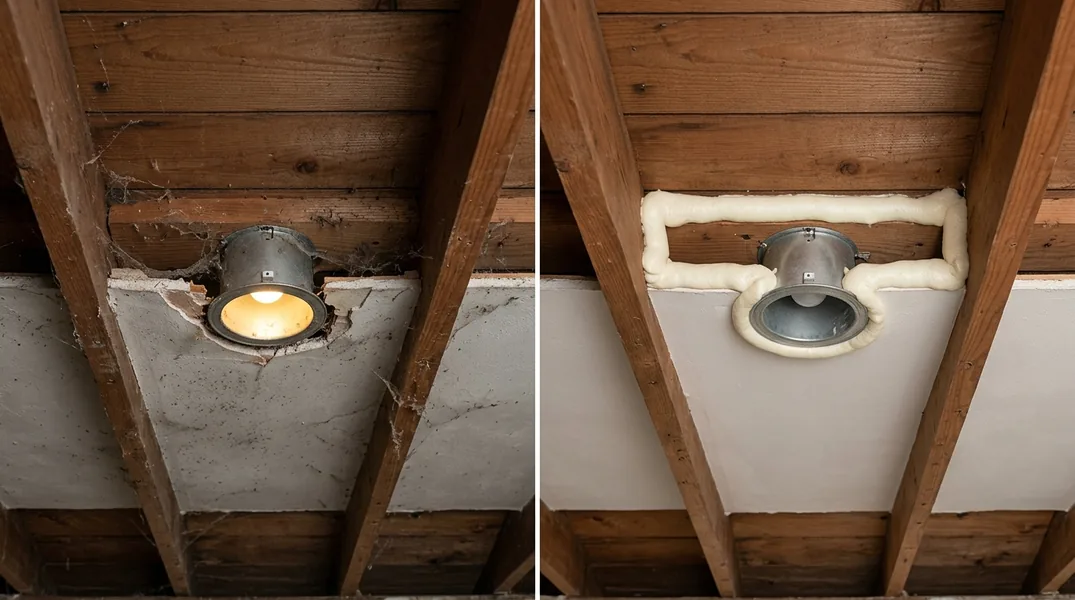
The root cause of ice dams isn't always obvious to homeowners. Many assume they need more insulation to prevent heat loss, but the real culprit is air leakage. Warm, moist air escaping from your living spaces into an unsealed attic creates the exact conditions that cause ice dams. This is why simply adding insulation without first sealing air leaks is like putting a band-aid on a broken bone. Before you invest in Attic Spray Foam Insulation, you need to understand the importance of creating a properly sealed attic system that stops warm air infiltration at its source.
Why Air Sealing Must Come Before Insulation
The building science behind attic performance is straightforward but often overlooked by homeowners. Your attic's job is to be cold in winter and hot in summer. When warm, humid air from your home leaks into an uncontrolled attic space, it carries moisture with it. In winter, this moisture condenses on cold surfaces, creating the perfect environment for mold growth and wood rot. In summer, trapped moisture prevents your air conditioning from working efficiently, driving up your energy bills. Air sealing addresses this problem at the source by preventing conditioned air from escaping into your attic in the first place.
Many Cleveland homeowners make the mistake of adding conventional fiberglass or cellulose insulation without sealing air leaks first. While this might slightly improve R-value, it doesn't solve the moisture problem and can actually make it worse by trapping warm, humid air against cold attic surfaces. This is where Attic Spray Foam Insulation becomes the superior choice. Spray foam simultaneously seals air leaks and provides insulation in one application, creating what's known as a sealed attic system. This approach eliminates the conditions that lead to ice dams, condensation problems, and long-term structural damage.
Sealed Attic Insulation: The Solution to Moisture Problems
A sealed attic system is fundamentally different from a traditional vented attic. In a sealed attic, the attic space becomes part of your home's conditioned envelope, meaning it's heated in winter and cooled in summer. This approach prevents the temperature differential that causes condensation and eliminates the conditions for ice dam formation. When you apply Closed Cell Spray Foam Insulation to your attic roof deck, you're creating a continuous air barrier that stops warm air from entering the attic while also providing exceptional insulation value. The R-value of closed-cell foam (typically R-6 to R-7 per inch) far exceeds traditional insulation, meaning you need less material to achieve superior performance.
The moisture control benefits of a sealed attic system extend beyond just preventing ice dams. By eliminating air leakage, you reduce the amount of humid air entering your attic, which dramatically decreases the risk of condensation in attic spaces. This protection is especially critical in Cleveland, where humidity levels are naturally high due to our proximity to Lake Erie. Homeowners who switch from traditional vented attics to sealed systems often report lower heating and cooling costs, improved comfort, and the peace of mind that comes with knowing their attic is protected from moisture damage. The investment in proper air sealing before insulation pays for itself through energy savings and avoided repair costs.
Unvented Attic Spray Foam: Preventing Condensation Before It Starts
Unvented attic spray foam systems have become the gold standard for high-performance homes in cold climates like ours. Unlike traditional vented attics that rely on soffit and ridge vents to manage moisture, unvented attics use spray foam to create an air-tight seal that prevents moisture from entering in the first place. This proactive approach to moisture control is far superior to reactive measures like adding ventilation or installing vapor barriers after the fact. When spray foam is applied correctly to the attic roof deck and all penetrations are sealed, you create an environment where condensation in attic spaces becomes virtually impossible.
The science behind unvented attic performance is compelling. Traditional vented attics operate on the assumption that outside air will dry out any moisture that enters the space. However, in winter, outside air is cold and dry, which means it has very low absolute humidity. When this cold air is drawn into a vented attic and then warmed by heat leakage from below, its relative humidity drops even further, which can actually increase moisture problems in some cases. An unvented system eliminates this complexity by preventing the air exchange entirely. The attic stays warm and dry, eliminating the conditions for ice dams, mold, and wood rot. For homeowners dealing with attic moisture problems or concerned about ice dam damage, this solution provides lasting protection.
The Cleveland Advantage: Why Professional Air Sealing Matters
Working with a local contractor who understands Cleveland's specific climate challenges makes a significant difference in your attic's performance. Our region's lake-effect snow, high humidity, and temperature fluctuations create unique demands on attic systems. A professional air sealing and insulation contractor knows where to look for hidden air leaks, how to properly seal around HVAC penetrations, electrical wiring, and plumbing stacks, and how to design a system that performs year-round. Attempting to DIY air sealing often misses critical leak points, leaving your attic vulnerable to the very problems you're trying to prevent.
When you choose Cleveland Spray Foam Insulation for your attic project, you're getting expertise backed by years of experience with local weather patterns and building challenges. We start with a comprehensive evaluation of your attic, identifying air leaks and moisture sources before recommending a solution. Whether your home needs closed-cell spray foam for maximum performance or open-cell foam for a more budget-conscious approach, we'll design a system that addresses your specific needs. If you're concerned about ice dams, rising heating costs, or visible signs of attic moisture, contact us today at (216) 465-0804 or request a free estimate to see how we can protect your home.
Taking Action: Your Next Steps for a Protected Attic
If you've experienced ice dams, noticed wet insulation, or seen signs of mold in your attic, the time to act is now. Winter weather in Cleveland only gets more severe, and delaying repairs increases the risk of structural damage that becomes exponentially more expensive to fix. The good news is that modern spray foam insulation technology offers a permanent solution that addresses both insulation and air sealing in a single application. By upgrading to a sealed attic system, you'll eliminate ice dams, reduce energy costs, improve indoor comfort, and protect your home's long-term structural integrity.
The first step is scheduling a professional evaluation with Cleveland Spray Foam Insulation. We'll assess your current attic conditions, identify air leaks and moisture sources, and explain exactly how spray foam can solve your problems. There's no obligation, and our evaluation process is thorough and transparent. Call us at (216) 465-0804 or visit our website to request a free estimate. Your Cleveland home deserves protection from lake-effect snow and ice dams, and sealed attic insulation is the proven solution.
Looking for a professional spray foam insulation contractor in Cleveland? Cleveland Spray Foam Insulation responds fast for all your spray foam insulation needs.
Get a Free Quote